
AFR Top 100 Accounting Firms
- Contents
- Summary
- Related Episodes
- Listen
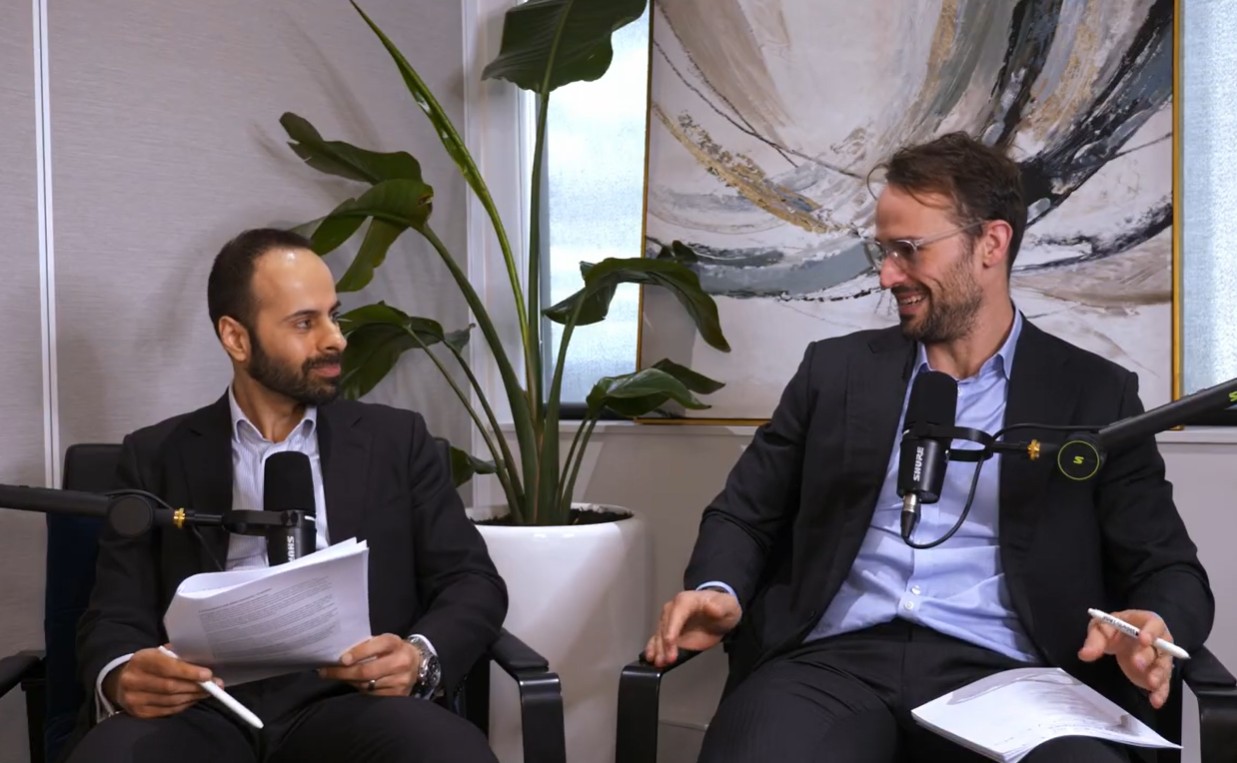
The AFR Top 100 Accounting Firms list makes an interesting read. Here is our interview with Edmund Tadros, who created the editorial content that goes with this list.
AFR Top 100 Accounting Firms
Every year in early November the Australian Financial Review (AFR) publishes its list of the AFR Top 100 accounting firms. But they don't just collate the list but also discuss the recent trends they see. Here is what we learned from this interview with Edmund Tadros - AFR Professional services editor - but please listen in as Edmund goes into a lot more detail and explains this much better than we ever could. In fact, we might have got it completely wrong. So please listen to Edmund himself.
To listen while you drive, walk or work, just access the episode through a free podcast app on your mobile phone.
BRW
It used to be the BRW Top 100 accounting firms list, but then BRW vanished in 2013 and the Australian Financial Review took over. For a few years it got quiet around the list with just a few general articles discussing trends and development and focusing on the Top 20 firms. But then in 2017 the list was back in full force and has been back ever since. The 2017, 2018 and 2019 lists are available online. Edmund Tadros worked on all of them.BRW had a different target market to the Financial Review. BRW used to be more an all-rounder, while the AFR is a corporate paper, focusing on the big players and business decision makers. Edmund calls this 'the top end of town'. And so AFR's readers are more likely to be a client of or work at the Big Four or mid tier firms than the smaller firms below that.
Top 100 v Top 20
Top 100 is lot more work than Top 20. There are a lot more logistics involved. A lot more data to collate. Some issues are that accounting firms often report prior year numbers that don't match the numbers reported last year. Another challenge is that network offices sometimes seek an individual listing while they are already included in the total network numbers.
Selection
The research team chases the Top 20. The Top 20 need to be spot on. "We try to get all the major ones," Edmund says. But the rest is by application. If you don't put your hand up, you don't get considered. It is a firm's decision to apply and submit the data, but then AFR's decision how to rank the firms based on the data collected.
Process
The creation of a new list starts with the research team at Channel Nine contacting firms in July and August for their data of the past financial year. This data gets collected, collated, checked and reviewed up to six weeks before the intended publish date. Edmund Tadros as the AFR Professional services editor then comes in and spends another week or two reviewing the data once more, contacting firms to clarify or get a background story. And then another week or two for Edmund and the team to write the editorial piece, draft the table and finalise the double-page spread and insert.
Firms
Whether and how you divide accounting firms into tiers is really up to anybody who attempts this task. But it is common to distinguish between the Big Four who have a turnover of over $375m each. And then to look at the Mid Tier firms with a turnover of between $100m to $375m. This is a common distinction. There are currently 4 Big Four (no surprise there) and 9 mid tier firms. What are they doing right?But after that it gets hazy. There is the small tier of firms with a turnover of $20m to $100m and then the tiny tier with a turnover of below $20m, but these are not commonly accepted categories.
Review
The focus of the editorial review is not so much about who got which ranking this year. The focus is more reader-centric. What do movements within the industry mean to readers as clients of these firms? What does it mean to accountants operating in this space? The size of the firm doesn't matter. What matters is what they are doing right.
2019 Trends
The big four continue to grow at a stellar rate because of their expansion into various extra services. With the mid tier firms there were mix results, while most small and tiny tier firms featured grew in 2018/19. But this is also where the dilemma sits. When a small or tiny tier firm is not doing well, they are a lot more likely to opt out out of the Top 100. The players in the Big Four and mid tier firms are consistently featured, but the small and tiny tier firms tend to vary.
Who is Who
Here is a quick overview of the Big 4, Mid Tier and Small Tier firms featured in the Financial Review Top 100 list.
Big 4 - Turnover $375m+
# 1PwC $2.6B# 2Deloitte $2.3B# 3EY $1.89B# 4KPMG $1.78B
Mid Tier - Turnover $100m to $375m
# 5Findex $367.59M# 6BDO $299.17M# 7Grant Thornton $266.25M# 8Pitcher Partners $261.48M# 9RSM $202.19M# 10William Buck $118.72M# 11PKF $115.5M# 12Bentleys Network $113.86M# 13HLB Mann Judd $103.3M
Small Tier - Turnover $20m to $100m
# 14Countplus $97.5M# 15Nexia Australia $96.59M# 16McGrathNicol $88M# 17Walker Wayland Australia $84.12M# 18Moore Stephens $80.19M# 19Hall Chadwick $73.37M#20ShineWing $59M# 21Synergy Group $55.46M# 22DFK Australia New Zealand $54.22# 23Mazars $51.39M# 24Kelly Partners $42.92M# 25UHY Haines Norton $38.15M# 26MGI Australasia $35.04M# 27Vincents $33.3M# 28Brentnalls $32.53M# 29Fordham Group $32.2M# 30Cor Cordis $30.9M# 31Perks Accountants & Wealth Advisers $30M# 32Bell Partners $28.82M# 33Prosperity Advisers Group $23.07M# 34Boyce Chartered Accountants $22.92M# 35Rubik3 $22M# 36Hood Sweeney $20.85M# 37Cutcher & Neale $20.61MThe remaining 63 firms in the Top 100 list have a turnover of less than A$20m per annum. The firms listed in this tier tend to fluctuate from year to year.______So this is a short summary of what we learned, but please listen in as Edmund Tadros explains all this much better than we do.
MORE
Main Residence Exemption for Foreign Residents
Disclaimer: Tax Talks does not provide financial or tax advice. All information on Tax Talks is of a general nature only and might no longer be up to date or correct. You should seek professional accredited tax and financial advice when considering whether the information is suitable to your or your client’s circumstances.
Newest Episodes