
UPDATE 7 | COVID-19 Stimulus Review
- Contents
- Summary
- Related Episodes
- Listen
The number of measures is overwhelming. So let's do a brief COVID-19 stimulus review - looking at everything that is on the table.
COVID-19 Stimulus Review
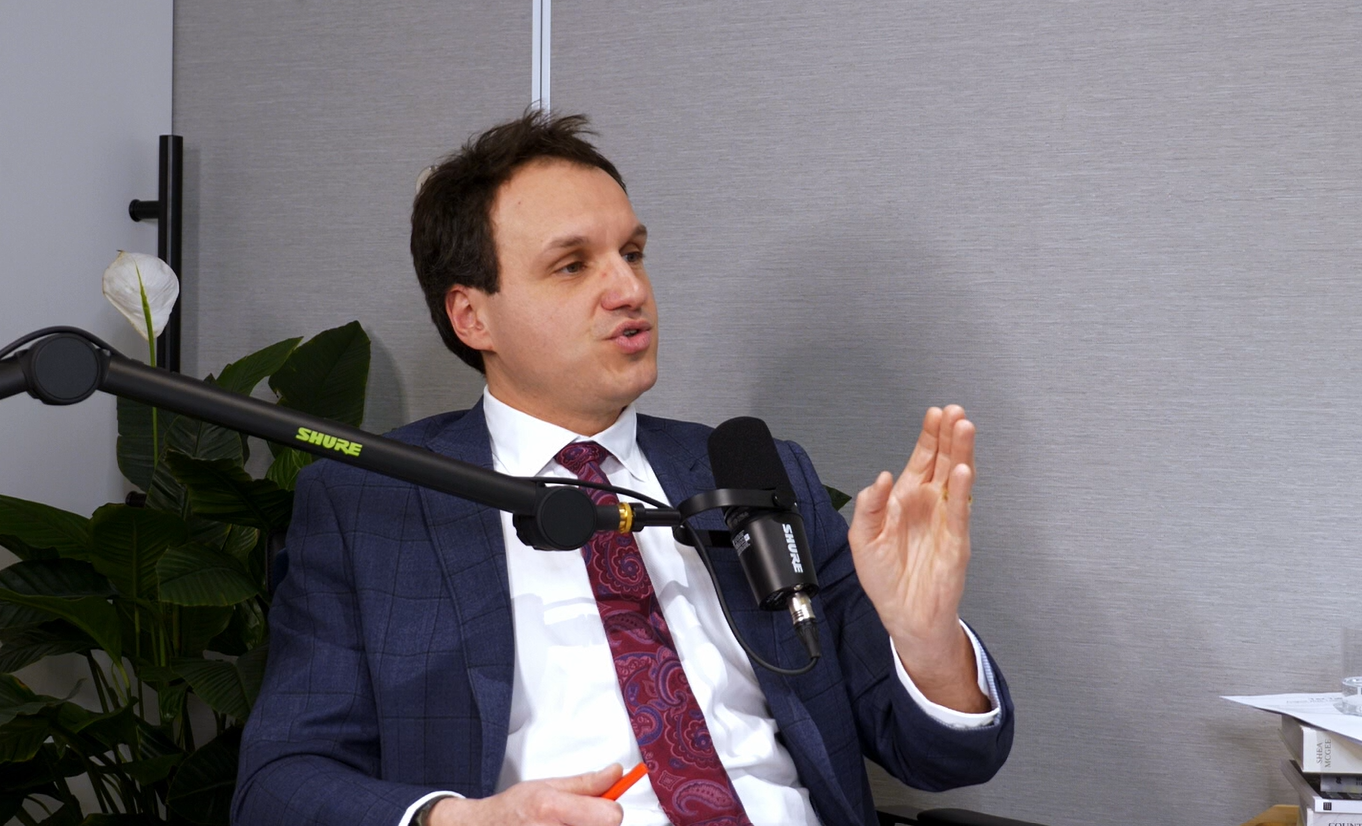
Below is a short COVID-19 stimulus review, listing every federal measure that has been published so far - to the best of our knowledge.In this episode Bob Deutsch, senior counsel of the Tax Institute, comments on some of these measures, but then also discusses the JobKeeper payment in a lot more detail.
To listen while you drive, walk or work, just access the episode through a free podcast app on your mobile phone.
Please note that all these measures are temporary to cover the period of the COVID-19 crisis.
COVID-19 Help for Individuals
1 - First Economic Support Payment2 - Second Economic Support Payment3 - Easier to Apply For JobSeeker and Youth Allowance4 - JobSeeker Supplement Payment (“Coronavirus Supplement”)5 - Reduction in the JobSeeker Partner Income Test Taper Rate6 - Exemption from Mutual Obligation7 - JobSeeker Rights Expanded8 - JobKeeper 9 - Pre-COVID-19 Assistance Measures----------------
COVID-19 Help for Business
1 - Cash Flow Boost
The tax-free cash flow boost ranges from $20,000 to $100,000 and depends on the PAYG withholding done in the March and June quarters for 2020.Estimated cost: $31.9b
2 - JobKeeper Payments
Eligible employers receive $1,500 per fortnight per eligible employee if they pay at least $1,500 to these per fortnight.Estimated cost: $130b
3 - Expansion of JobSeeker and Youth Allowance
Sole traders may now be eligible for JobSeeker Payment and Youth Allowance for jobseekers. Please see above under COVID-19 for Individuals for more details.
4 – $150,000 Instant Asset Write-Off
The instant asset write-off is changing to $150,000 until the 30th of June 2020 for businesses with a turnover of less than $500m.Estimated cost: $700m
5 – Investment Incentive
The investment incentive, uncapped, until the 30 June 2021, allows a 50% depreciation in the first year for businesses with a turnover of less than $500m.Estimated cost: $3.2b
6 – 50% Wage Subsidy for Apprentices and Trainees
Employers of apprentices and trainees receive a 50% wage subsidy of their apprentice and trainee wages until 30 September 2020, of up to $21,000 per apprentice.Estimated cost: $1.3b
7 - ATO Measures
There are 5 ATO measures to help businesses affected by the crisis.
1 – The due date for paying your BAS, PAYG I, income tax assessments and FBT as well as excise have been deferred by 4 months.
2 – If you expect a GST refund, you can swap to monthly BAS to get this refund much quicker into your pockets.
3 – You can vary your PAYG instalments to zero for this March quarter. And you can request a refund of the last two instalments you paid for the September and December quarters last year
4 – The ATO will remit any interest and penalties incurred after 23 January this year.
5 – And you can enter into a low-interest payment plan for existing tax liabilities.
8 - RBA $90b Funding Facility to Banks
Banks - as in Approved Deposit Institutions (ADIs) - can access a $90 billion facility for new loans to the Australian business community. ADIs can access this three-year fixed facility at a base rate of 0.25% but need to provide new loans to SME at a five-to-one ratio of lending to large corporates.
9 - RBA $15b Funding Facility to Non-Bank Lenders
There is a $15 billion facility available to smaller ADIs and non-ADI lenders. This facility will be managed by the Australian Office of Financial Management (AOFM).
10 - Coronavirus SME Guarantee Scheme
Small businesses who enter into an unsecured loan of up to $250,000 in the six months starting 1 April 2020, with banks who join the scheme, will have repayments delayed for the first six months of the loan.Additionally, the government will guarantee 50% of these loans. This $20 billion initiative will effectively allow $40 billion of capital to be freed up for small businesses.
11 - Increased Threshold for Creditor Action
The threshold at which creditors can issue a statutory demand on a company has temporarily been increased. And companies currently have longer to respond to such statutory demands they receive. The Corporations Act 2001 will be amended accordingly.
12 - Waiver of Director’s Liability
There is temporary relief for directors from any personal liability for trading while insolvent.---------------
COVID-19 Help for Wealth and Retirement
Shareholders
No measures to assist, but the JobKeeper Payment might assist companies that shareholders hold an interest in, supporting share prices.
Landlords
Help through record low interest rates, but for that hit by the Commercial Tenancies Code that prescribes a minimum 50% lease waiver.
Retirees
Retirees might benefit from 6 support measures.
1 - Early $20,000 Access To Super
From 20 April 2020 onwards - early release of your super possible. If approved, access $10,000 by 30 June 2020 and another $10,000 between 1 July and 24 September 2020.You will qualify, if you meet at least one of the following four conditions:
1 - You are unemployed; or
2 - You are eligible to receive social security payments. To be more precise, you are eligible to receive job seeker payments, youth allowance for jobseekers, parenting payment, special benefit allowance or farm household allowance; or
3 - You were made redundant or your working hours were reduced by 20% or more on 1 January 2020 or thereafter; or
4 - You are a sole trader and your business was suspended or had at least a 20% reduction in turnover since 1 January 2020.
Early access withdrawals will be tax-free and will not affect Centrelink or DVA paymentsEstimated cost: $1.2b
2 - 50% Reduction of Minimum Pension Payments
You can reduce your minimum pension payments by 50% this and next financial year. So 2019/20 as well as 2020/21.
3 - Increase of Work Test from 65 to 67
There is a proposal to increase the age for the work test from 65 to 67. Why is this still in the pipeline and not yet law?
4 - Reduction of Social Security Deeming Rates
It has become much easier to qualify for the age pension. And this is for two reasons..
1 - The value of your share portfolio in super has probably gone down, and so it will get easier to pass the asset test.
2 - The deeming rates are now 0.25% and 2.25% - significantly lower than what they were before - so it will be easier to pass the income test.
5 - First and Second Economic Support Payment
Anybody on an age pension between 12 March to 13 April 2020, can receive two payments of $750. The second one only if you don’t receive the coronavirus supplement.
6 - Coronavirus Supplement
Please see above for more details - under # 4 Help for Individuals.-----------
COVID-19 Help for Others
1 – $1b for Particularly Affected Areas
There is $1b for areas particularly affected by COVID 19.
2 – $715m for Aviation Industry
$715 million is provided to support Australian airlines and airports. This of course is only the tip of the iceberg of what is needed to keep airports and Qantas away from bankruptcy.
MORE
Job Keeper Payment
Cash Flow Boost
Super COVID-19 Measures
Disclaimer: Tax Talks does not provide financial or tax advice. All information on Tax Talks is of a general nature only and might no longer be up to date or correct. You should seek professional accredited tax and financial advice when considering whether the information is suitable to your or your client’s circumstances.
Newest Episodes